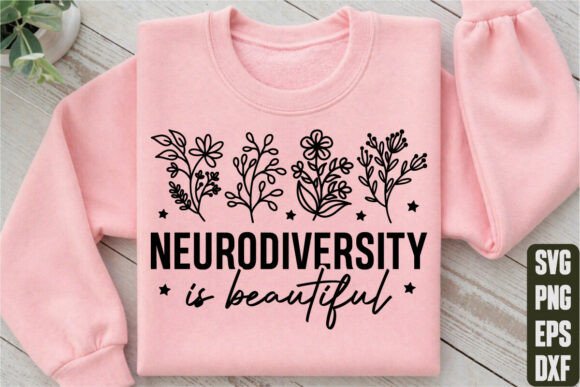
Neurodiversity is Beautiful
As an embroidery designer and product reviewer, I’ve evaluated countless machine embroidery designs. But when I first saw Neurodiversity is Beautiful, it stood out—not just for its message, but for the way it balances simplicity with emotional impact. This design isn’t just a graphic; it’s a statement. Let’s break down how it performs in real-world projects and what it means for your creative work.
The First Impression: A Design That Speaks Volumes
Neurodiversity is Beautiful opens with a clean, elegant layout that feels both modern and timeless. The typography is bold yet approachable, making it ideal for a wide range of applications. It doesn’t shout, but it doesn’t blend in either. The visual personality of this design leans into inspiration and inclusivity—perfect for anyone looking to make a meaningful statement through their work.
The shape and theme are straightforward, which is a strength. There’s no unnecessary detail or clutter. This makes it adaptable for different fabric types and project sizes. Whether you’re working on a custom tote bag or a baby onesie, the design holds up without overwhelming the piece.
Real-World Use: Where Does This Design Shine?
Let’s imagine a scenario: You’re preparing a custom embroidered tote bag for a small shop. The client wants something that feels personal and professional. Neurodiversity is Beautiful fits perfectly here. It adds a touch of sophistication without being too flashy. The design works well on cotton, canvas, and even lightweight denim—common materials for tote bags and similar items.
For sweatshirt embroidery, this design also has potential. It’s not too large, so it won’t overwhelm the garment. The stitch density is moderate, which means it should hold up well on thicker fabrics. However, if you’re planning to use it on a thin or stretchy fabric, you’ll want to test it first. The design might need extra stabilizer to prevent puckering or distortion.
On baby clothes, the design can be a subtle but powerful addition. It’s not too complex, which is good for delicate fabrics. Just be sure to avoid using dark thread on light-colored fabric unless you’re aiming for a specific aesthetic. The overall look is clean, which is great for nursery decor or personalized gifts.
Where to Be Cautious: Potential Pitfalls
While Neurodiversity is Beautiful is versatile, there are situations where it may not perform as well. For example, if you’re using it on a small hoop, you might find that some details get lost. The design is best suited for medium to large hoops, where the full message can be clearly seen.
Textured fabrics like fleece or knits can also be tricky. The design’s stitching may not lay flat, especially if the fabric has a lot of give. Similarly, on dark fabrics, the thread color needs to contrast enough to stand out. If you’re using a light thread on a dark background, you might need to adjust the design or add a white underlay.
Curved surfaces like caps or hats can also pose challenges. The design may not sit perfectly on a rounded edge, leading to a stretched or distorted appearance. If you plan to use it on a cap, consider adjusting the hoop size or using a curved hoop adapter.
Design Performance: Clarity, Value, and Customer Appeal
In terms of stitching clarity, Neurodiversity is Beautiful delivers. The lettering is sharp, and the spacing is consistent. This makes it easy to read from a distance, which is important for commercial embroidery projects or branded merchandise. The design uses a mix of satin stitch and fill stitch, which gives it a polished look without being overly dense.
From a customer perspective, this design has strong appeal. It’s relatable, positive, and visually appealing. People love seeing messages that reflect their values, and this one does that well. It’s perfect for handmade products that aim to connect emotionally with buyers. Whether it’s a personalized gift or a boutique item, the design adds value and encourages engagement.
For small business owners and Etsy sellers, this design could be a valuable asset. It’s simple enough to be used in multiple formats—tote bags, aprons, pillow covers, and more. It also works well as a printable mockup or digital product preview, helping you showcase your work effectively.
Practical Tips for Embroidery Designers
If you’re planning to use Neurodiversity is Beautiful in your next project, here are a few practical tips:
- Test on scrap fabric first to see how the design looks on your chosen material.
- Check thread color contrast to ensure visibility on different fabric backgrounds.
- Review stitch density to avoid over-stitching, especially on delicate fabrics.
- Confirm hoop size to ensure the entire design fits comfortably.
- Inspect small details like corners and curves to make sure they look clean after stitching.
- Test in black and white mockups to see how the design translates without color.
- Use proper stabilizer to prevent puckering or distortion on stretchy or textured fabrics.
- Check licensing before selling finished items or digital products.
This design is a solid choice for both personal and commercial use. It’s clear, meaningful, and adaptable. Whether you’re creating a custom apparel piece, a personalized gift, or a small shop product, Neurodiversity is Beautiful has the potential to elevate your work and resonate with your audience.